1. పరిచయం
The Raspberry Pi 4 Model B (2GB) is a powerful, compact single-board computer designed for a wide range of applications, from desktop computing to embedded projects. It offers enhanced processing power, improved multimedia capabilities, and expanded connectivity compared to previous models. This manual provides essential information for setting up, operating, and maintaining your Raspberry Pi 4 Model B.

Image 1.1: The Raspberry Pi 4 Model B (2GB) single-board computer, showcasinదాని కాంపాక్ట్ డిజైన్ మరియు వివిధ పోర్టులు.
2. ప్యాకేజీ విషయాలు
Upon opening your Raspberry Pi 4 Model B package, you should find the following:
- Raspberry Pi 4 Model B (2GB) board
Note: Additional accessories such as a power supply, microSD card, HDMI cables, and a case are typically sold separately.
3. ఉత్పత్తి లక్షణాలు
The Raspberry Pi 4 Model B (2GB) includes several key features:
- ప్రాసెసర్: బ్రాడ్కామ్ BCM2711, క్వాడ్ కోర్ కార్టెక్స్-A72 (ARM v8) 64-బిట్ SoC @ 1.5GHz
- RAM: 2GB LPDDR4-3200 SDRAM
- వైర్లెస్ కనెక్టివిటీ: 2.4 GHz and 5.0 GHz IEEE 802.11ac wireless, Bluetooth 5.0, BLE
- ఈథర్నెట్: గిగాబిట్ ఈథర్నెట్
- USB పోర్ట్లు: 2 USB 3.0 ports; 2 USB 2.0 ports
- GPIO: Standard 40-pin GPIO header (fully backwards compatible with previous boards)
- వీడియో & ఆడియో: 2 micro-HDMI ports (up to 4Kp60 supported), 2-lane MIPI DSI display port, 2-lane MIPI CSI camera port, 4-pole stereo audio and composite video port
- నిల్వ: ఆపరేటింగ్ సిస్టమ్ మరియు డేటా నిల్వ కోసం మైక్రో SD కార్డ్ స్లాట్
4. సెటప్ గైడ్
4.1. Required Components (Not Included)
- USB-C Power Supply (5V/3A recommended)
- MicroSD Card (minimum 8GB, Class 10 recommended)
- HDMI Cable(s) (micro-HDMI to standard HDMI)
- USB కీబోర్డ్ మరియు మౌస్
- HDMI ఇన్పుట్తో మానిటర్ లేదా టీవీ
4.2. ఆపరేటింగ్ సిస్టమ్ను ఇన్స్టాల్ చేయడం
- Download the Raspberry Pi Imager software from the official Raspberry Pi webసైట్ (www.raspberrypi.com/software/).
- Insert your microSD card into your computer's card reader.
- Open Raspberry Pi Imager, select your desired operating system (e.g., Raspberry Pi OS), and choose your microSD card as the destination.
- Click "Write" and wait for the process to complete.
- Safely eject the microSD card from your computer.
4.3. హార్డ్వేర్ కనెక్షన్
- Insert the prepared microSD card into the card slot on the underside of the Raspberry Pi.
- మీ USB కీబోర్డ్ మరియు మౌస్ను Raspberry Piలోని USB పోర్ట్లకు కనెక్ట్ చేయండి.
- Connect your monitor(s) to the micro-HDMI ports using appropriate cables. The Raspberry Pi 4 supports up to two displays.
- (Optional) Connect an Ethernet cable for wired network access.
- Finally, connect the USB-C power supply to the Raspberry Pi. The device will power on automatically.
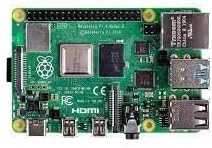
చిత్రం 4.3.1: క్లోజప్ view of the Raspberry Pi 4 Model B's various ports, including USB, Ethernet, and micro-HDMI.
5. ఆపరేటింగ్ సూచనలు
5.1. First Boot and Initial Configuration
On the first boot, the Raspberry Pi OS will guide you through an initial setup wizard. This includes setting your country, language, timezone, creating a user password, connecting to Wi-Fi, and updating the software. Follow the on-screen prompts to complete these steps.
5.2. Desktop Environment
Once configured, you will be presented with the Raspberry Pi OS desktop environment. This is similar to other desktop operating systems, allowing you to launch applications, browse the web, నిర్వహించడానికి fileలు మరియు మరిన్ని.
5.3. షట్ డౌన్
To safely shut down your Raspberry Pi, click the Raspberry Pi icon in the top-left corner of the screen, then select షట్డౌన్. Always shut down the system properly before disconnecting power to prevent data corruption on the microSD card.
6. నిర్వహణ
- సాఫ్ట్వేర్ అప్డేట్లు: Regularly update your operating system and installed software to ensure optimal performance and security. This can typically be done via the terminal using commands like
sudo apt updateమరియుsudo apt full-upgrade. - శీతలీకరణ: The Raspberry Pi 4 can generate heat under heavy load. Consider using a heatsink or a fan case to ensure proper cooling and prevent thermal throttling, especially for demanding applications.
- విద్యుత్ సరఫరా: Use a high-quality 5V/3A USB-C power supply to ensure stable operation. Insufficient power can lead to instability.
- మైక్రో SD కార్డ్ కేర్: Avoid frequently writing large amounts of data to the microSD card to prolong its lifespan. Consider using a USB SSD for heavy data operations.
7. ట్రబుల్షూటింగ్
- డిస్ప్లే అవుట్పుట్ లేదు: Ensure micro-HDMI cables are securely connected and your monitor is set to the correct input. Try a different micro-HDMI port or cable.
- పవర్ LED ఫ్లాషింగ్: This often indicates an insufficient power supply. Ensure you are using a 5V/3A USB-C power supply.
- Wi-Fi/Bluetooth Issues: Check your network settings in the Raspberry Pi OS. Ensure the device is within range of your Wi-Fi router.
- సిస్టమ్ అస్థిరత/క్రాష్లు: This could be due to overheating (ensure proper cooling), a corrupted microSD card (try re-flashing the OS), or an inadequate power supply.
- సాధారణ సమస్యలు: The Raspberry Pi community forums and documentation are excellent resources for troubleshooting specific problems.
8. స్పెసిఫికేషన్లు
| ఫీచర్ | వివరాలు |
|---|---|
| ప్రాసెసర్ | బ్రాడ్కామ్ BCM2711, క్వాడ్ కోర్ కార్టెక్స్-A72 (ARM v8) 64-బిట్ SoC @ 1.5GHz |
| RAM | 2GB LPDDR4-3200 SDRAM |
| వైర్లెస్ రకం | 802.11ac, Bluetooth 5.0, BLE |
| ఈథర్నెట్ | గిగాబిట్ ఈథర్నెట్ |
| USB పోర్ట్లు | 2 USB 3.0 ports, 2 USB 2.0 ports |
| వీడియో అవుట్పుట్ | 2 micro-HDMI ports (up to 4Kp60) |
| ఆడియో అవుట్పుట్ | 4-పోల్ స్టీరియో ఆడియో మరియు మిశ్రమ వీడియో పోర్ట్ |
| GPIO హెడర్ | Standard 40-pin GPIO header |
| నిల్వ | మైక్రో SD కార్డ్ స్లాట్ |
| ఆపరేటింగ్ సిస్టమ్ | Linux (e.g., Raspberry Pi OS) |
| వస్తువు బరువు | 2.11 ఔన్సులు |
9. వారంటీ మరియు మద్దతు
For warranty information and technical support, please refer to the official Raspberry Pi website or contact your retailer. The Raspberry Pi community also provides extensive resources, forums, and documentation for assistance with projects and troubleshooting.
అధికారిక Webసైట్: www.raspberrypi.com


